What is this service?
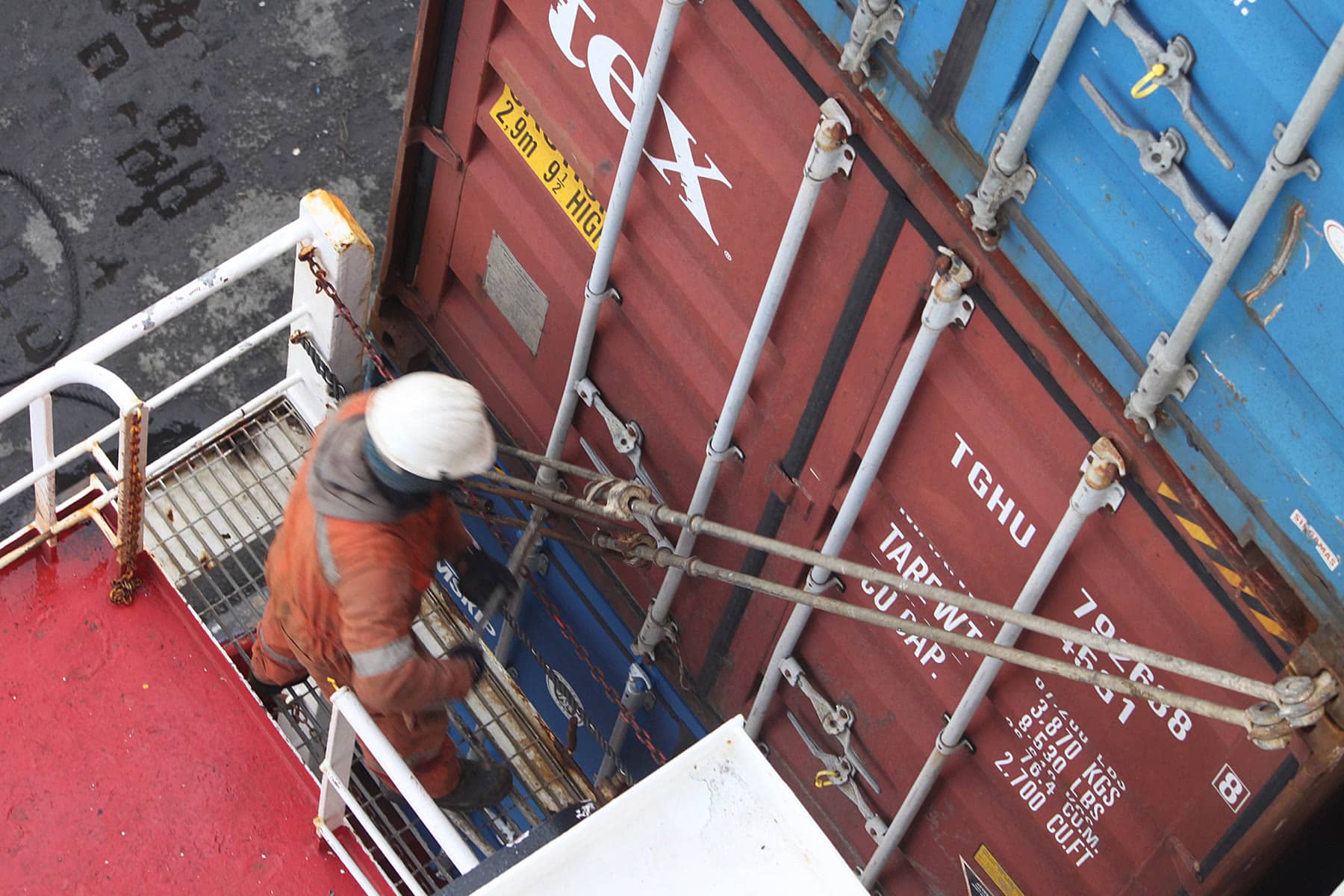
Unlashing is freeing imported or transhipped cargo, before or after discharge, from chains, wire rope, webbing, chocks and welded stoppers in a safe sequence, preparing it to be lifted without damage, and separating the removed material.
Who and which cargo is it for?
- Imported cargo arriving on flat racks and platforms
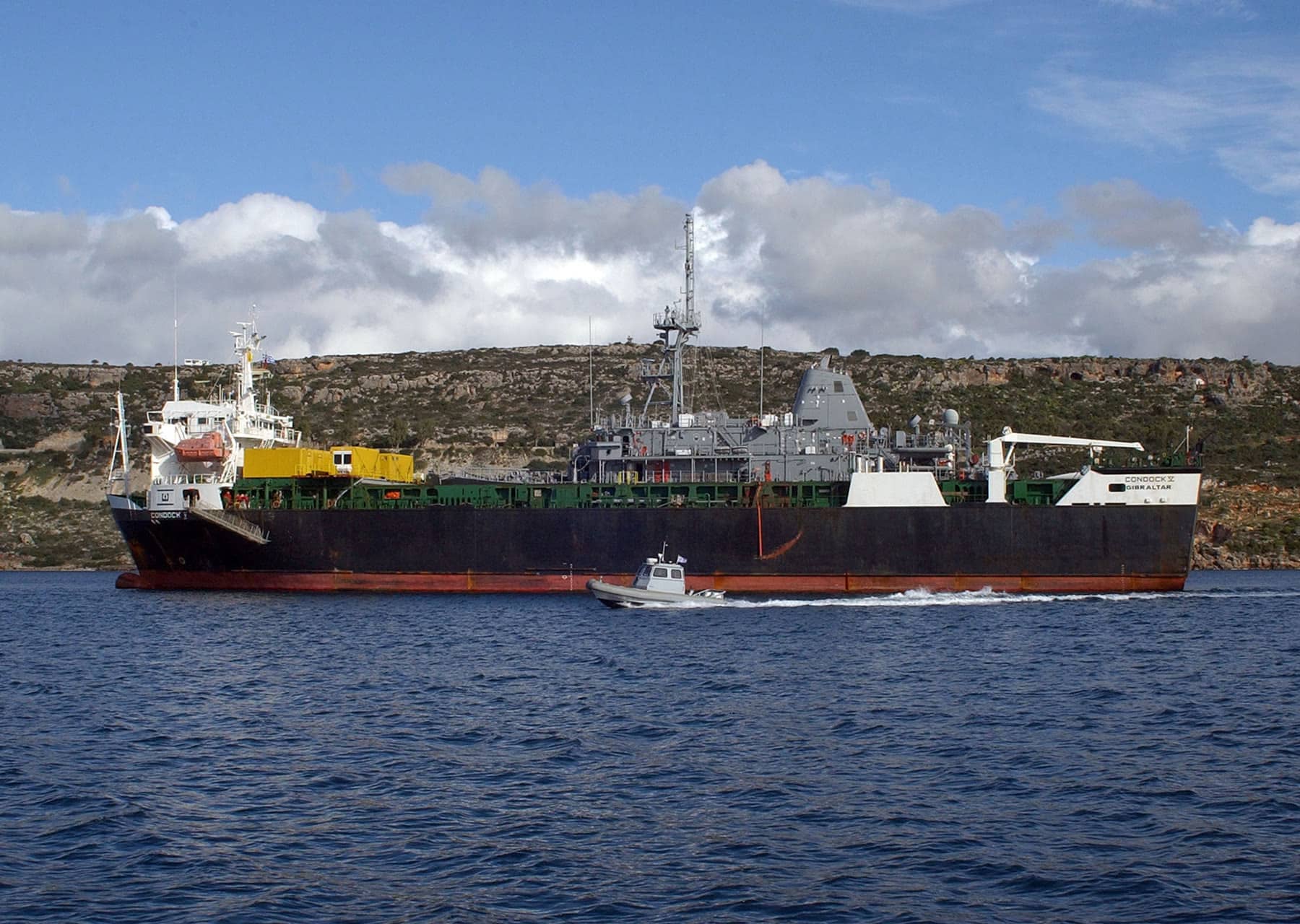
- Project cargo lashed on deck or in the hold
- Heavy items secured inside containers
- Cargo that must be re-secured before transhipment
Scope of service
- Review of the securing arrangement or photos before arrival
- Recording any damage or shift before removal starts
- Releasing tension under control and following a removal sequence
- Removing welded stoppers by a permitted method
- Separating removed chains, rope, webbing and timber
- Safe handover to the lifting or discharge team
Typical operation stages
- 1
Advance data
We request photos and the securing layout from the loading port.
- 2
Condition record
Cargo and lashings are photographed before removal; any damage is reported to the parties.
- 3
Exclusion zone
The area is marked and nobody stays in the snap-back line.
- 4
Removal
Tension is released in a sequence that never leaves the cargo unbalanced; temporary support is added if needed.
- 5
Separation
Reusable equipment, scrap and timber are collected separately.
- 6
Handover
The cargo is handed to the lifting team and the record is shared.
Methods and materials
Controlled release
Tension is taken off gradually with tensioners and chain binders; tensioned wire rope is never cut.
Removal sequence
Lashings that would let the cargo lean are removed last; where needed the crane takes a little weight while they come off.
Stopper removal
Welded stoppers are removed by the method the carrier permits, under a hot-work permit.
Safety and checkpoints
- Nobody works in the snap-back line of tensioned chains or rope.
- Cargo that shifted at sea is supported before any lashing comes off.
- Imported timber chocks and dunnage are assessed separately under plant-health rules.
- PPE and work-at-height rules apply throughout removal.
Example scenario
Example scenario (illustrative): on a turbine component arriving on a flat rack, one chain is found to have slackened at sea. The condition is photographed and reported to the consignee and forwarder before removal; the remaining chains are released in a cross sequence while the crane takes a little weight.
Locations served
Our İzmit / Kocaeli based team works at ports and industrial sites around Kocaeli and the Gulf of İzmit. For operations outside Kocaeli, state the location in your request.
Frequently asked questions
Why is unlashing a separate service?
Removal carries its own risks — stored energy, shifted cargo, damage findings. Without planning it is dangerous for the cargo and the people.
What happens to removed materials?
They are separated by owner and scope. Reuse, return or disposal is set out in the quote.
Do you issue damage reports?
We keep a photo condition record before removal. An independent damage survey for insurance is a separate service performed by an authorised surveyor.