What is this service?
Container lashing is securing cargo stuffed into dry, high-cube and similar closed containers, using the container's lashing rings, floor and walls. Spreading the weight evenly across the floor, keeping the centre of gravity near the middle of the box and filling voids are its core principles.
Who and which cargo is it for?
- Palletised and crated machine parts
- Coils, reels and cylindrical cargo
- Mixed consignments and packages of different sizes
- Vehicles, engines and spare parts moved in containers
Scope of service
- Pre-stuffing container check: structure, floor, doors, light leaks, odour and old cargo labels
- Load plan and weight distribution advice
- Seating heavy items on the floor with load-spreading beams
- Securing with lashing rings, chocks and webbing
- Void filling with dunnage bags or timber
- Door-end protection and a photo record before sealing
Typical operation stages
- 1
Packing list
We take package count, dimensions, weights and stackability information.
- 2
Container check
The box is checked for damage, holes, moisture and cleanliness; unsuitable units are reported.
- 3
Load plan
Heavy items low and central, lighter ones on top, keeping the centre of gravity close to the middle.
- 4
Stuffing & securing
Blocking, lashing and void filling are done as the container is stuffed.
- 5
Final check
We confirm nothing rests against the doors and that tension is sufficient.
- 6
Record
Photos before sealing and the materials used are shared.
Methods and materials
Load-spreading beams
Timber or steel beams spread concentrated weights so they do not overload a small area of the floor.
Lashing rings
Rings on the floor and roof rails have limited capacity, so heavy items also need blocking.
Webbing & tensioners
Polyester webbing with edge protectors; chains and tensioners for heavy items.
Void filling
Gaps are closed with dunnage bags, timber bracing or paper honeycomb.
Safety and checkpoints
- The gross mass and VGM declaration are the shipper's responsibility; ZG LASHING plans the load on that data.
- Floor and ramp suitability are checked before a forklift drives into the container.
- Door-end securing is planned separately so nothing falls when the doors are opened.
- For dangerous goods (IMDG), segregation and labelling rules apply; this scope is confirmed before the job.
Example scenario
Example scenario (illustrative): 14 crates of machine parts in different sizes are to go into one 40' container. The two heaviest crates sit on load-spreading beams in the middle of the box, the rest are balanced on either side, gaps are closed with timber bracing and dunnage bags, and a timber barrier is built at the door end.
Locations served
Our İzmit / Kocaeli based team works at ports and industrial sites around Kocaeli and the Gulf of İzmit. For operations outside Kocaeli, state the location in your request.
Frequently asked questions
Is in-container securing the same as lashing containers on a ship?
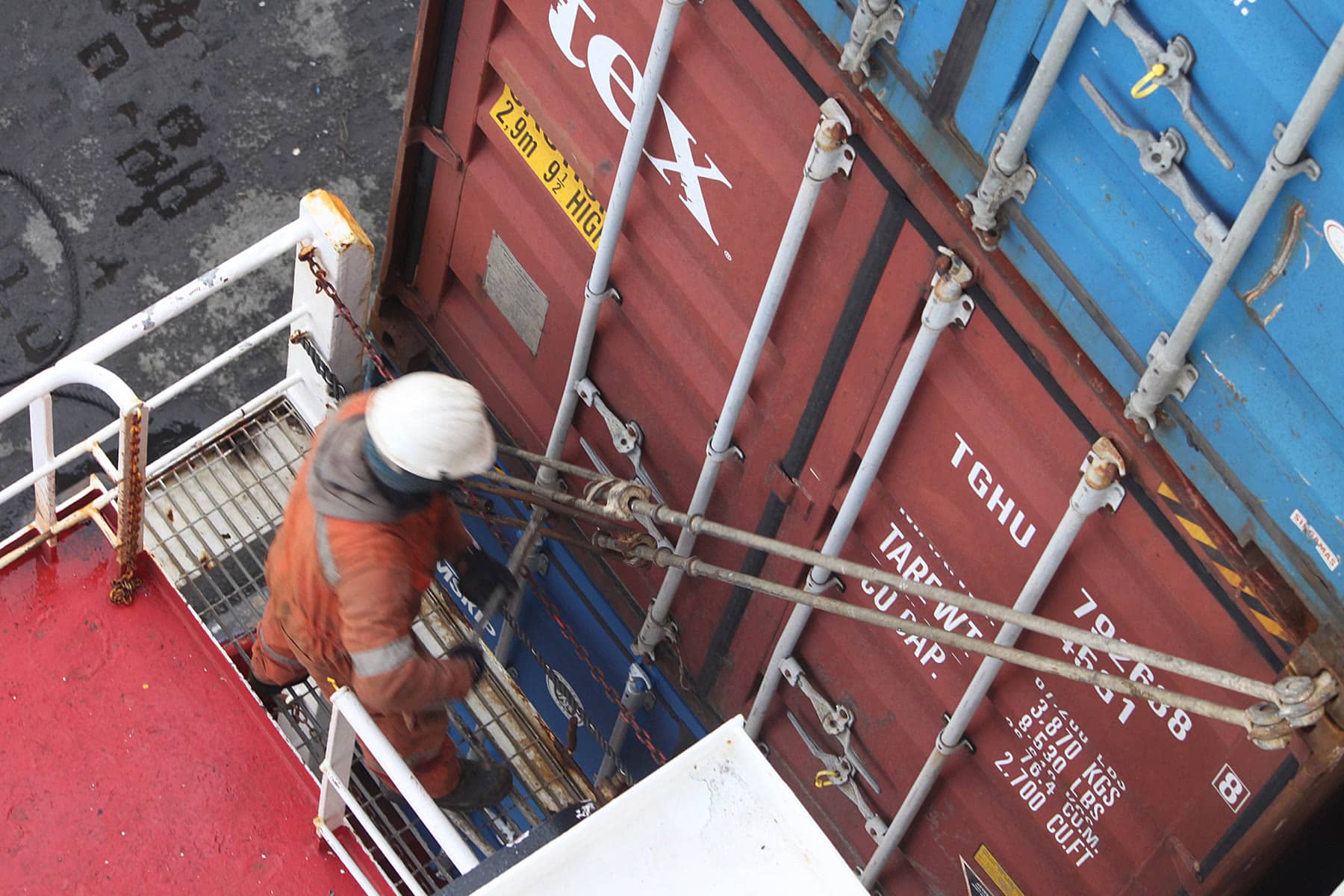
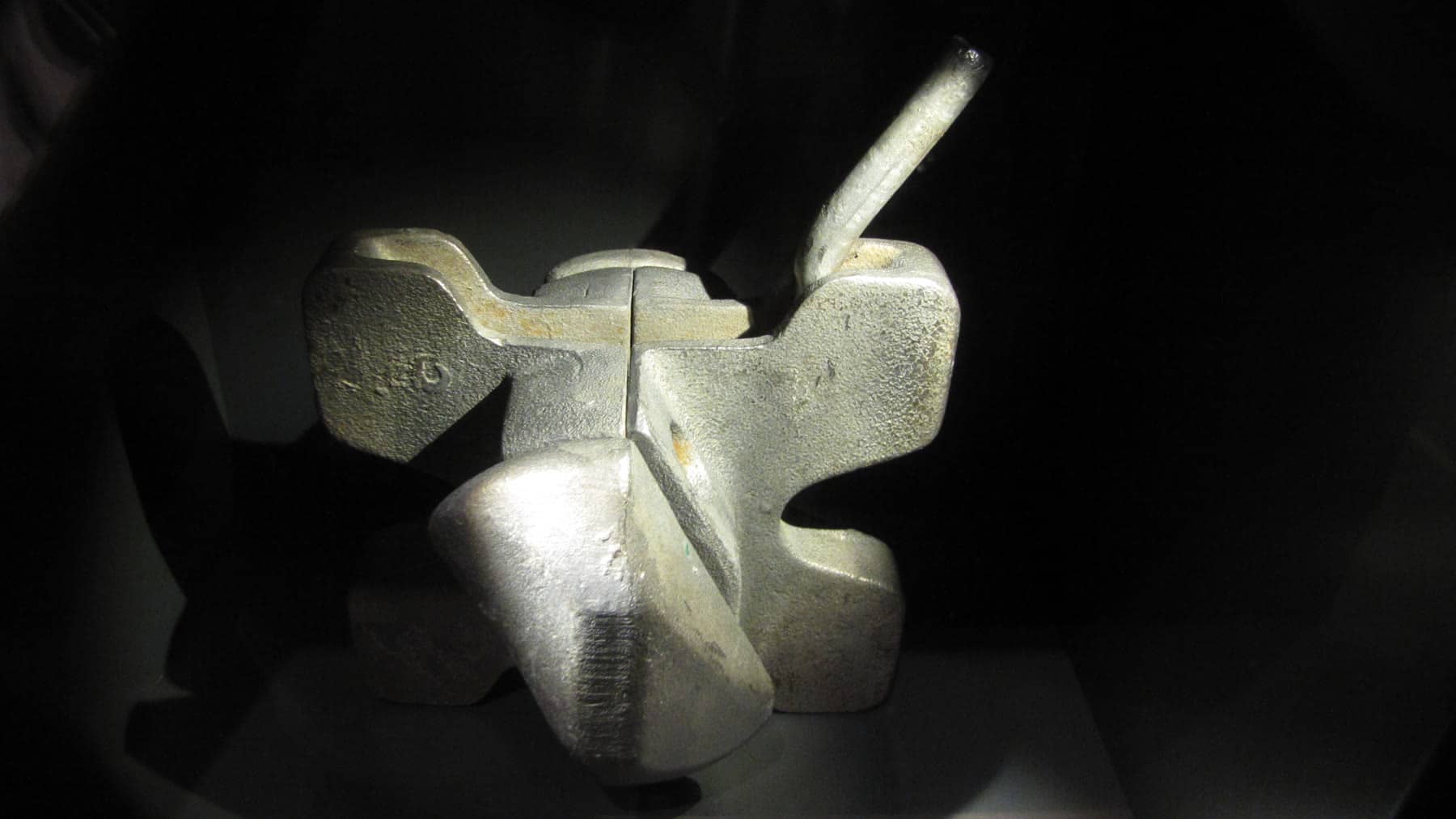
No. In-container securing fixes the cargo inside the box. Lashing containers to each other and to the ship (twistlocks, lashing rods) follows the vessel's Cargo Securing Manual and is separate work; ZG LASHING only takes it on with confirmed authorisation and a contract.
How much weight can I load into a container?
The limit is the maximum gross mass on the container's CSC plate, together with road and port restrictions. The weight must also be spread across the floor; a concentrated load can damage the floor even below the total limit.
Are dunnage bags suitable for every gap?
No. Dunnage bags suit gaps within a certain range and must be inflated to the right pressure. The door-end gap and very wide voids need timber or other bracing.