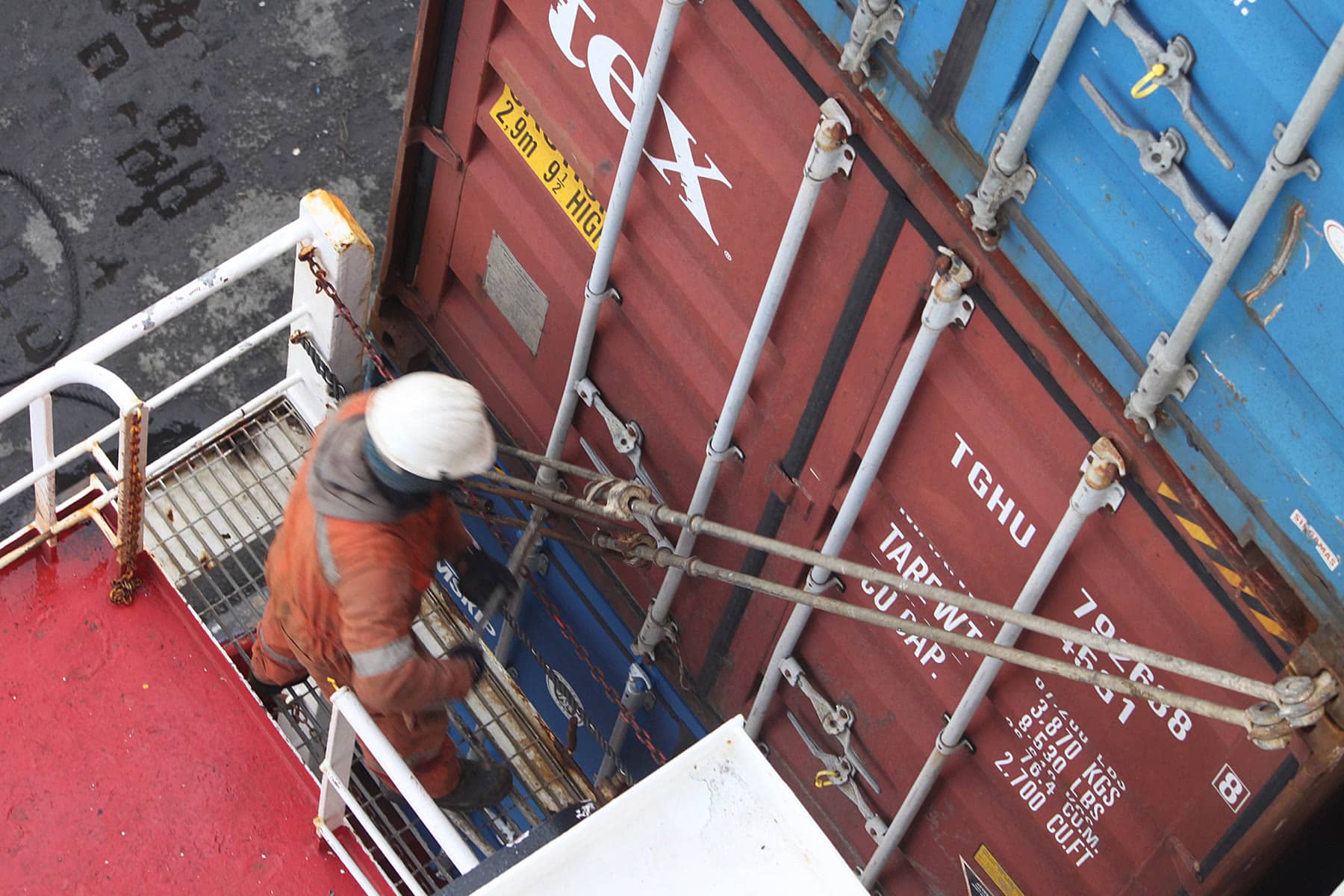
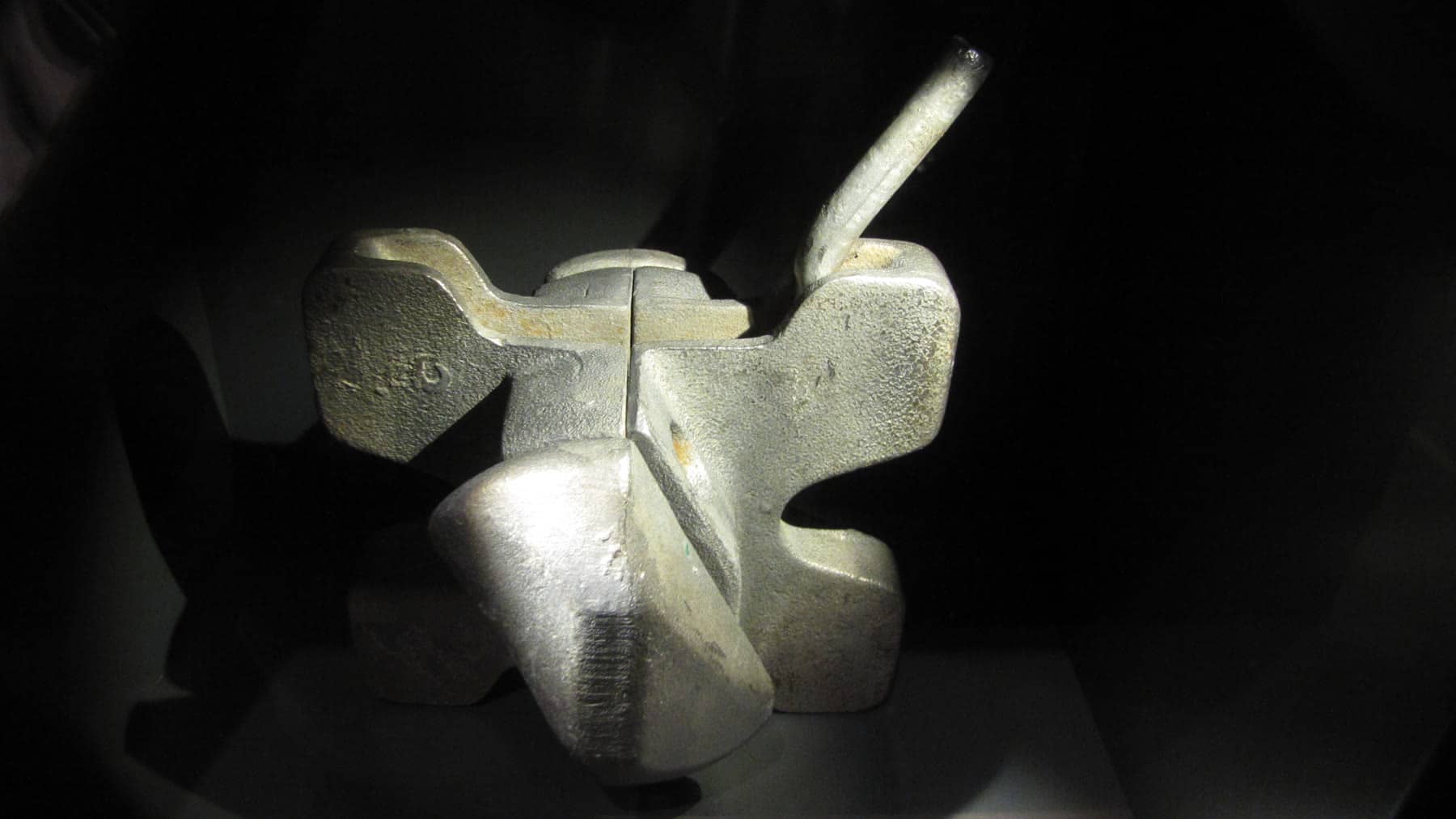
Cargo lashing restrains cargo against the longitudinal, transverse and vertical forces of transport, using securing equipment and blocking. Good lashing prevents cargo damage, damage to transport units and accidents; poor lashing puts everyone in the chain at risk.
A short definition
In logistics, lashing means securing cargo to its transport unit — a container, flat rack, trailer, rail wagon or ship's deck. It is also called cargo securing or tie-down.
Which forces act on cargo?
At rest, cargo only presses down with its own weight. In transit it is subject to longitudinal acceleration when braking and accelerating, transverse acceleration on bends and when a ship rolls, and vertical acceleration from waves and road surfaces. At sea these forces repeat in several directions over long periods.
The CTU Code — the code of practice for packing cargo transport units published jointly by IMO, ILO and UNECE — explains the accelerations to consider for different modes and sea areas and the principles of securing. It is guidance for the industry, not binding law.
Core securing methods
- Blocking (form-fit): bracing cargo against walls, chocks or other packages — the most reliable method where possible.
- Direct lashing: chain, rope or webbing from a point on the cargo to a point on the unit.
- Frictional lashing: top-over lashing that presses the cargo down to increase friction.
- Void filling: closing movement space with dunnage and dunnage bags.
What happens when securing fails
Shifting cargo can damage itself, neighbouring cargo and the container's walls or doors. Cargo falling when doors are opened causes serious injuries. A heavy unit shifting at sea can distort the container and affect stack safety. Securing therefore concerns everyone in the chain, not just the cargo owner.
What a good lashing plan includes
- Dimensions, weight and centre of gravity
- Position and permitted use of lashing and lifting points
- Transport unit type and lashing-point ratings
- Type, number and rating of the equipment
- Check and record steps
This article is general information and does not replace a securing calculation for a specific load.
Frequently asked questions
Is lashing the same as stuffing?
No. Stuffing is loading the container; lashing is securing what has been loaded. They usually happen in the same operation.
Is the CTU Code mandatory?
It is guidance, not a binding international convention, though many parties treat it as the benchmark for good practice.
Webbing or chain?
It depends on weight, surface and lashing points. Webbing is common for light cargo with sensitive surfaces, chain for heavy units.